
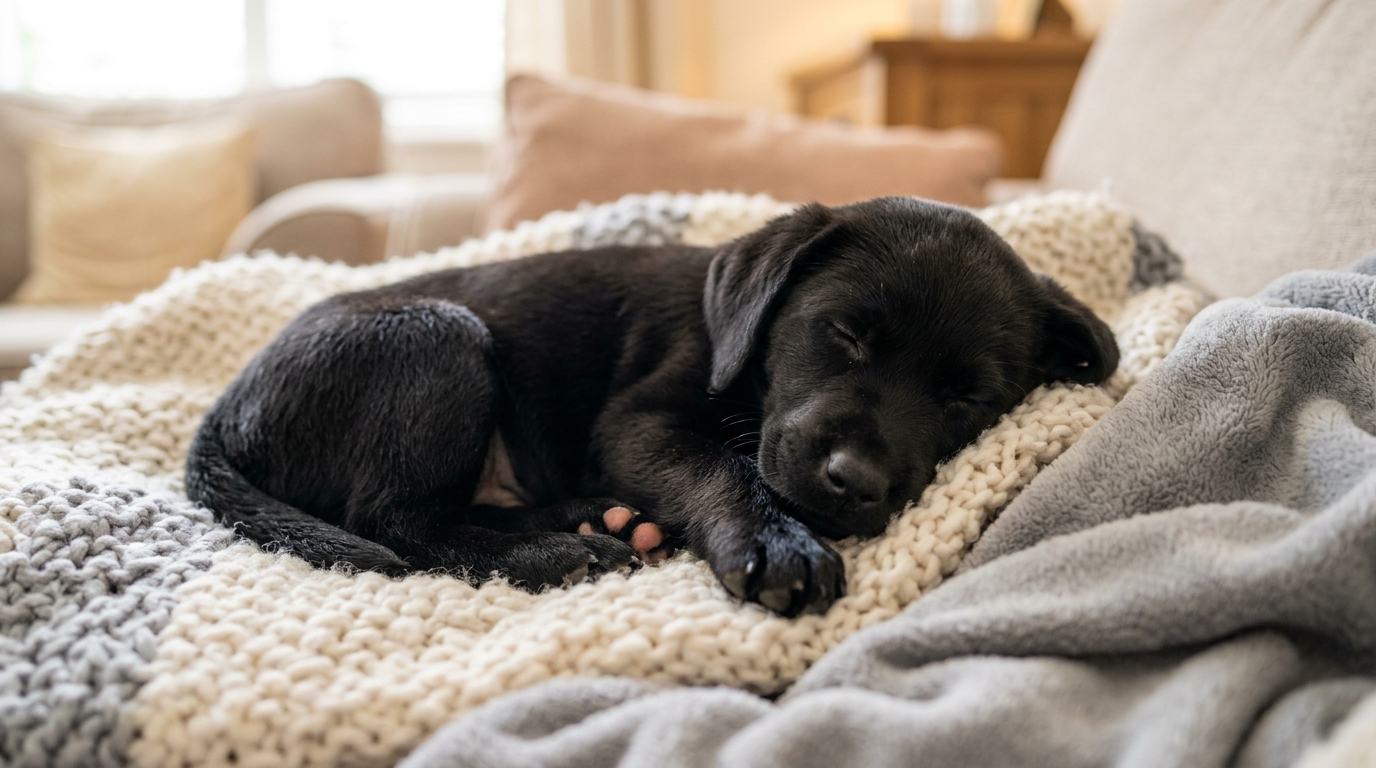
How Much Sleep a Puppy Needs and Signs of Tiredness
Puppies grow at a remarkable pace.
Sleep plays a central role in that growth, shaping behaviour, mood, and physical health.
Many new owners are surprised by how often a young dog needs to rest.
Long naps are not a luxury for a puppy. They are a daily need.
How Much Sleep Does a Puppy Need
A young puppy may sleep between 18 and 20 hours across a full day.
This rest comes in short blocks rather than a single long stretch.
Play, meals, training, and brief bursts of excitement fill the waking hours.
After each burst, the body and brain call for rest.
As puppies mature, sleep hours slowly reduce.
A four-month-old pup may still sleep most of the day.
By one year of age, sleep patterns start to resemble those of an adult dog.
Growth spurts often increase sleep time for a short period.
Busy days packed with visitors or outings can trigger longer naps later on.
Sleep supports learning.
New skills settle into memory during rest.
Muscles repair and strengthen during quiet moments.
Without enough downtime, behaviour often shifts in an unwanted direction.
What Overstimulation Looks Like
Overstimulation appears when a puppy stays awake for too long.
The signs often confuse owners.
A tired puppy rarely acts calm.
Many become louder, sharper, and harder to manage.
Common signs include sudden bursts of zooming around the room.
Nipping at hands or clothes may increase.
Barking can sound shrill or repetitive.
Some puppies ignore cues they followed earlier that same day.
Toileting accidents may happen after a run of success.
Eyes offer clues.
Heavy blinking, red rims, or a glazed look suggest fatigue.
Ears may droop or flick back and forth.
Yawning appears often, even during play.
A puppy may flop down for a second, then leap up again with wild energy.
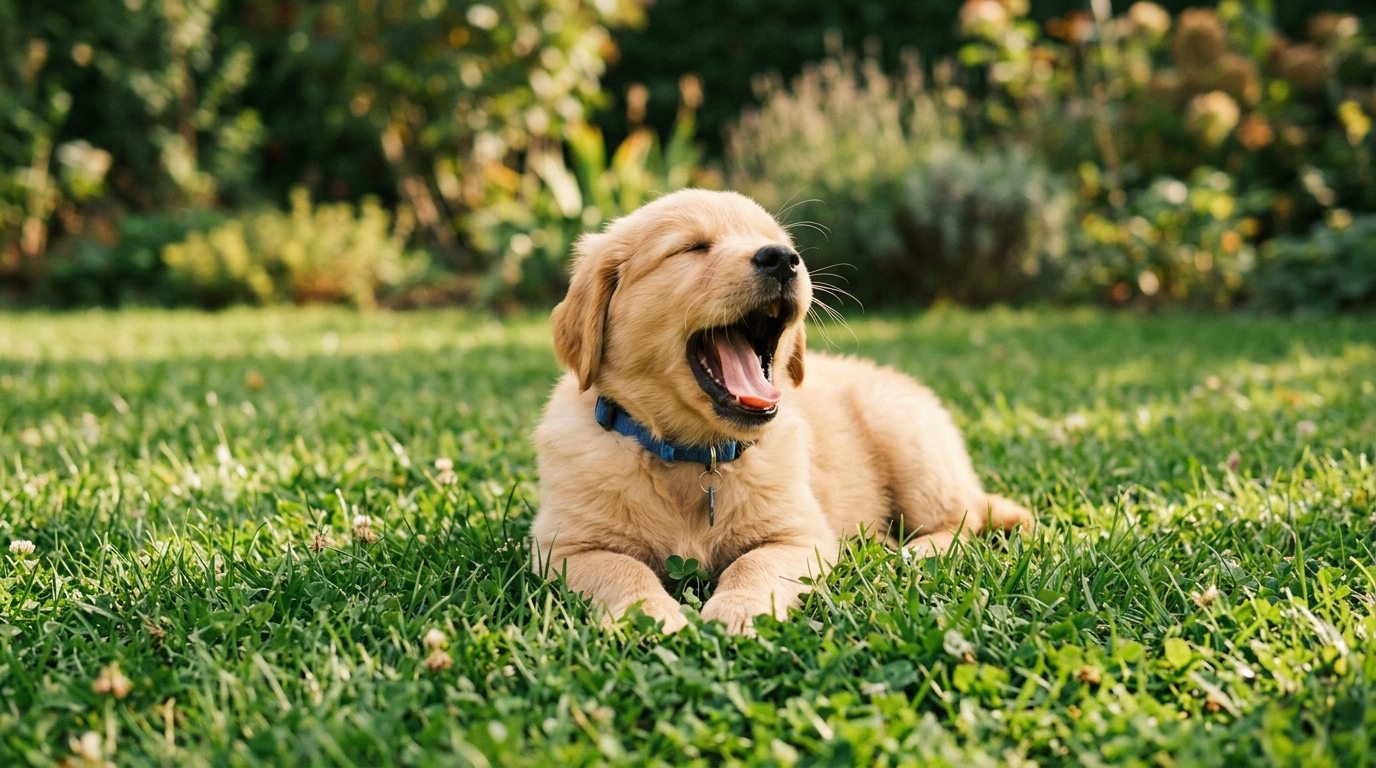
Why Naps Matter
Without enough rest, a puppy struggles to cope with normal sights and sounds.
Minor frustrations feel overwhelming.
Training sessions lose value as focus slips away.
Calm behaviour becomes harder to find.
Regular naps help shape a steady temperament.
They support gentle play and smoother learning.
Puppies that rest well tend to settle more easily in the evening.
Sleep lays the groundwork for confidence and resilience.
Supporting Healthy Rest
A quiet space helps a puppy relax.
Soft bedding and dim light invite sleep.
Short play sessions followed by rest work better than long stretches of activity.
Predictable routines give a sense of security and comfort.
Some puppies resist sleep at first.
They may protest with noise or fussing.
Patience pays off.
With time, the body clock adjusts and rest comes more naturally.
Reading Your Puppy’s Signals
Each puppy shows tiredness in a personal way.
Careful observation reveals patterns.
A spike in nipping after play may signal the need for a nap.
Wild energy late in the day often points to fatigue rather than surplus excitement.
Responding early prevents stress from building.
A calm break can transform behaviour within minutes.
Over time, recognising these signs becomes second nature.
Puppy naps shape healthy development.
Sleep supports growth, learning, and emotional balance.
By valuing rest and spotting tired cues, owners give their puppy the best start possible.
We offer puppy classes to learn more.