
Healthy ways to channel energy and keep young dogs mentally engaged
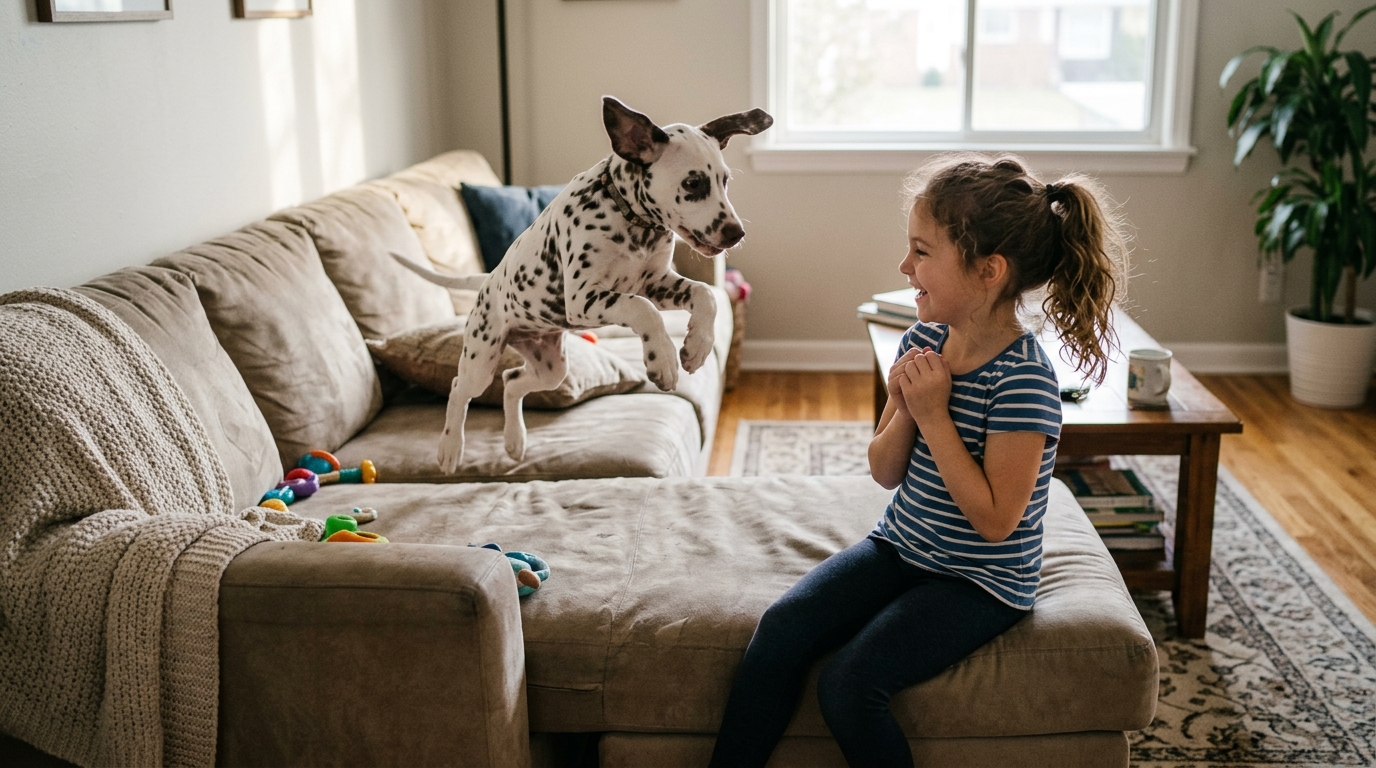
Puppy zoomies can feel like a sudden whirlwind, one moment calm, the next a blur of paws racing across the room. This burst of energy, often called a “FRAP” (frenetic random activity period), is a natural part of development. It reflects excitement, curiosity, and a growing body that needs movement. Rather than trying to stop it, the aim is to guide that energy into safe and positive outlets.Why Puppies Get the Zoomies
Young dogs store energy throughout the day. After rest, meals, or stimulating moments, that energy spills out in a quick surge. It can happen in the evening, after a bath, or during play. In most cases, zoomies signal happiness. At times, they may hint at pent-up energy or mild frustration, especially if a puppy has not had enough activity. Recognising the timing of these bursts helps you plan ahead. A short play session or walk before the usual “zoom hour” can reduce the intensity.Physical Energy Outlets
Exercise forms the backbone of a well-balanced routine. Puppies need movement, though the type and duration should suit their age and breed. Short walks, spread across the day, work well for younger pups. These walks do more than burn energy; they introduce new sights, sounds, and scents. A quiet park or garden offers space for safe running. Games such as fetch or gentle tug provide structure to play, keeping it controlled rather than chaotic. For high-energy breeds, interactive play holds their focus better than free running alone. A ball, rope toy, or soft frisbee can turn scattered energy into purposeful movement.Mental Stimulation
A tired mind often leads to a calmer body. Mental engagement can be just as effective as physical exercise. Puzzle toys challenge a puppy to think. Treat-dispensing balls or simple food puzzles encourage problem-solving. Even hiding small treats around a room can turn feeding time into a fun search activity. Training sessions offer another outlet. Teaching basic commands such as “sit”, “stay”, or “leave it” builds focus and strengthens the bond between dog and owner. Keep sessions short and rewarding. Puppies learn best through repetition paired with positive reinforcement.Structured Play and Routine
A consistent daily rhythm helps manage bursts of energy. Feeding, walking, play, and rest should follow a predictable pattern. This structure gives a puppy a sense of security and reduces random surges of excitement. Play sessions benefit from clear starts and finishes. Begin with a cue, such as showing a toy, and end with a calm activity like a chew or rest period. This teaches the puppy how to switch between high energy and relaxation.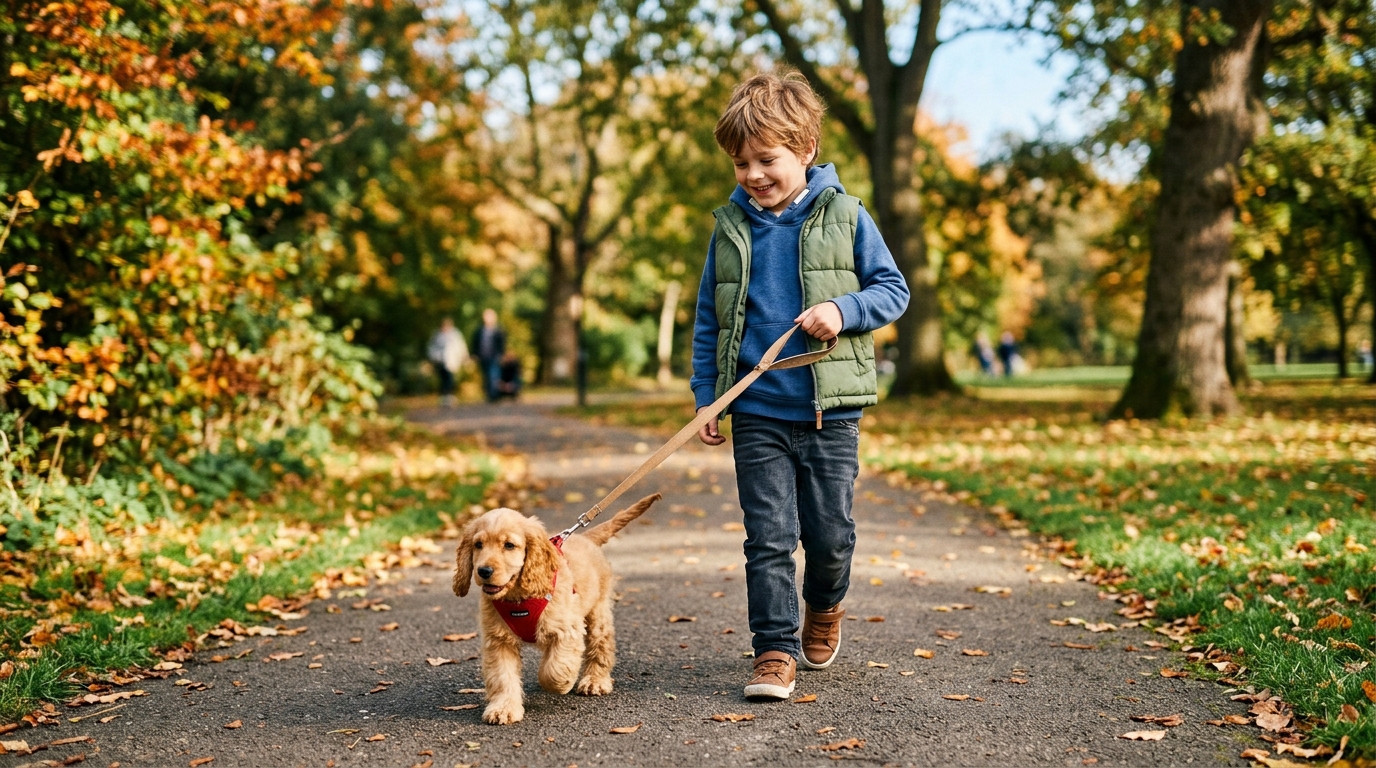
Safe Spaces for Zoomies
Zoomies do not need to be stopped entirely. Instead, guide them into safe areas. A fenced garden or a puppy-proofed room works well. Remove fragile items and hazards so the puppy can run freely without risk. Avoid encouraging zoomies in tight spaces or near furniture. Slippery floors can lead to falls or joint strain. Rugs or grass provide better traction and reduce the chance of injury.Calming Techniques
After a burst of activity, help your puppy settle. Gentle petting, a soft voice, or a quiet chew toy can shift their mood. Some puppies respond well to a designated resting spot, such as a crate or bed, where they can unwind. Calm behaviour should be rewarded. If a puppy lies down quietly after play, offer praise or a small treat. Over time, this builds a habit of settling without fuss.Balance Is Key
A healthy routine blends exercise, mental activity, and rest. Too little stimulation leads to restless behaviour, yet too much can create overtired, excitable pups. Watch your puppy’s signals; panting, excessive nipping, or frantic movement may suggest the need for rest. With the right outlets, zoomies become less chaotic and more predictable. They shift from wild bursts into moments of joyful expression, guided by structure and thoughtful care.We offer puppy classes to learn more.