
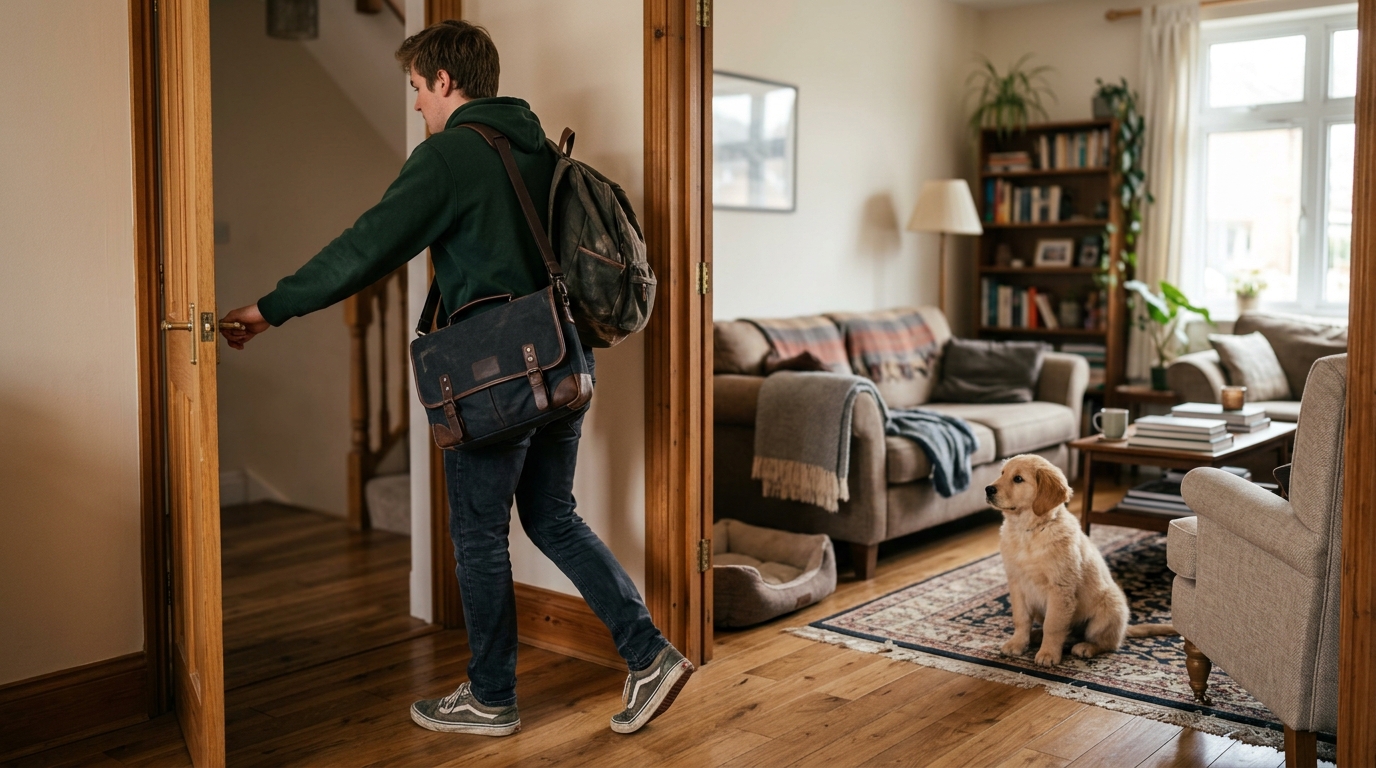
Building confidence when your puppy is left alone
Separation anxiety can begin quietly.
A young puppy may whine when you step out of sight, follow you from room to room, or struggle to settle without your presence.
If left unaddressed, these small signs can grow into distress, leading to barking, destructive behaviour, or house soiling.
The good news is that early guidance can shape a calm, confident dog.
At its core, separation anxiety stems from fear of being alone.
Puppies arrive in a new home after leaving their mother and littermates, so it is natural for them to seek comfort and closeness.
Your role is to help them feel safe, even when you are not nearby.
Start by introducing short periods of separation during the day.
Step into another room for a minute or two, then return before your puppy becomes upset.
Over time, extend the length of these moments.
This gradual approach teaches your puppy that you always come back, which builds trust.
Create a safe and comfortable space where your puppy can relax.
This could be a crate or a quiet corner with a soft bed and familiar toys.
The aim is to make this area feel like a secure retreat, not a place of isolation.
Leave items that carry your scent, such as a worn T-shirt, to provide reassurance.
Avoid making a fuss when leaving or returning home.
If departures feel dramatic, your puppy may view them as a cause for concern.
Keep your movements calm and routine.
A simple exit helps your puppy treat your absence as a normal part of daily life.
Encourage independent play.
Offer treats that keep your puppy occupied – nutritious chew items are recommended, or for example, puzzle feeders.
When your puppy learns to enjoy time alone, even in your presence, they become less reliant on constant attention.
Routine plays a steadying role.
Feeding, walks, and rest periods at similar times each day create a sense of order.
Puppies thrive on predictability, which reduces uncertainty and builds confidence.
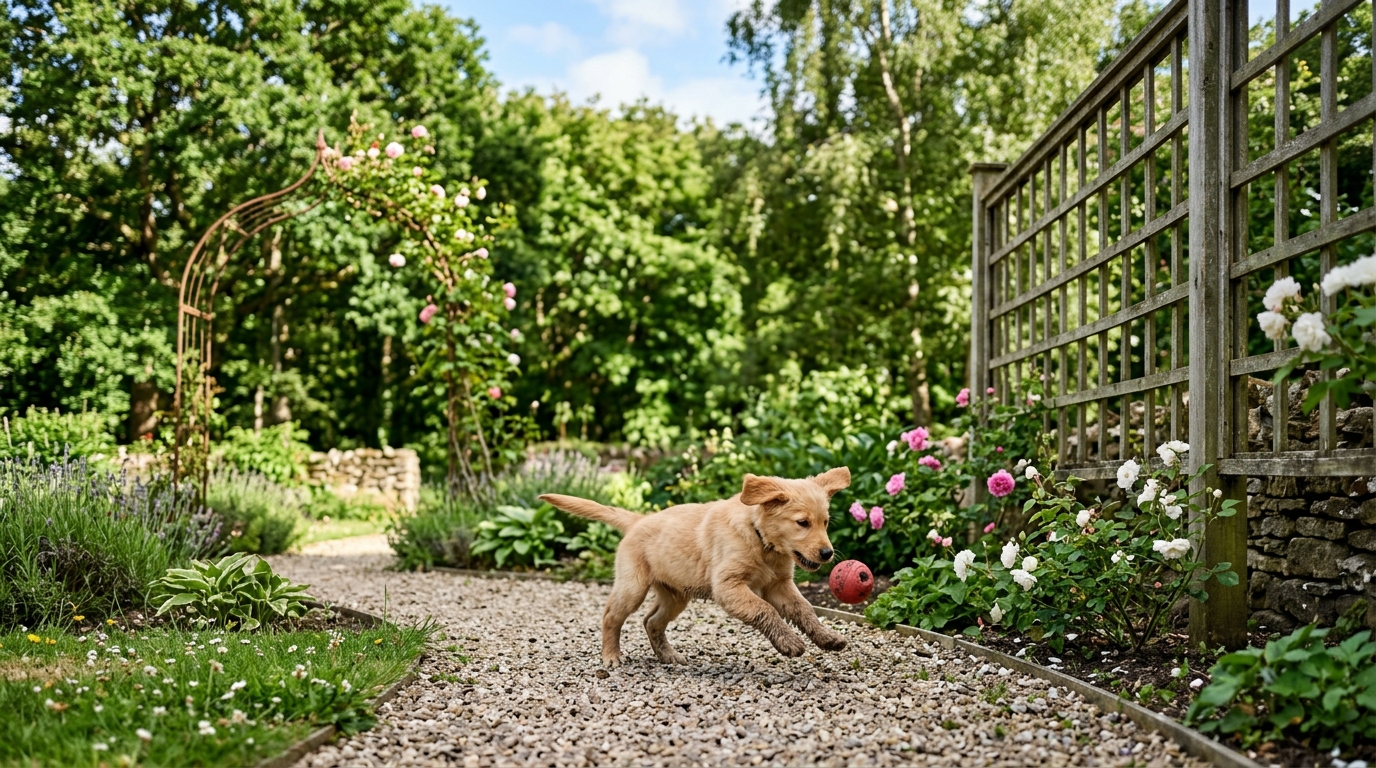
Gradual exposure to the outside world can help too.
Short outings, meeting new people, and gentle encounters with other dogs build resilience.
A puppy that feels secure in different settings is less likely to struggle when left alone.
Short outings, meeting new people, and gentle encounters with other dogs build resilience.
A puppy that feels secure in different settings is less likely to struggle when left alone.
If signs of anxiety appear, such as persistent barking or attempts to escape, slow down the process.
Return to shorter absences and rebuild at a pace your puppy can manage.
Patience at this stage makes a lasting difference.
Preventing separation anxiety is about shaping early habits.
With steady practice, calm routines, and thoughtful guidance, your puppy can learn that being alone is safe.
This sense of confidence carries into adulthood, leading to a more relaxed and content companion.
We offer puppy classes to learn more.